
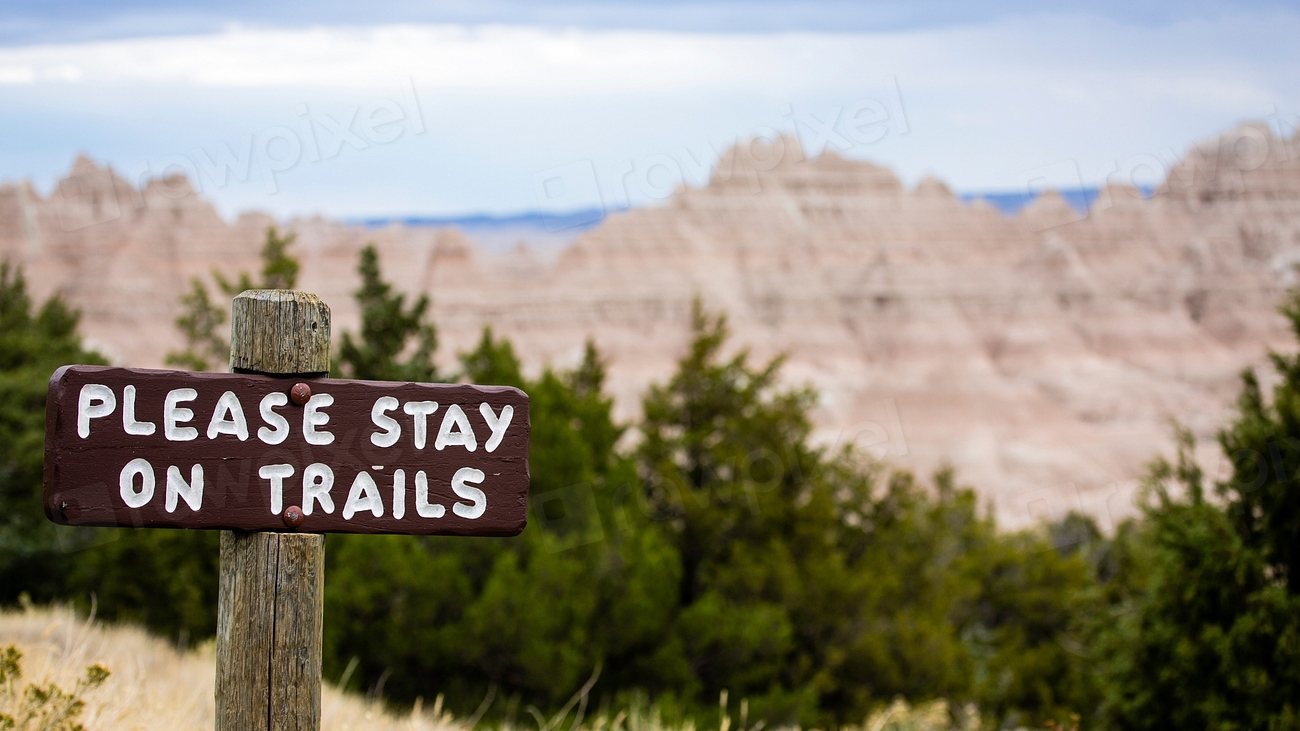
We have watched more than one carload of visitors arrive at a park gate at 10 a.m. on a July Saturday, pass in hand, only to learn that the pass gets them in the door but not up the road they came for. The American national park system now runs on three overlapping layers of access: the entrance fee or pass, the timed-entry reservation, and the permit or lottery for specific trails. They are separate systems, run on separate calendars, and one does not substitute for another. Here is how each layer works in general terms, what it covers, and how we sequence them when we plan a trip.
Layer one: entrance fees and the annual pass
Most of the big parks charge a per-vehicle entrance fee, typically valid for seven consecutive days, with lower rates for motorcycles and for people arriving on foot or by bicycle. A few parks, including Great Smoky Mountains, charge no entrance fee at all, though the Smokies now require a paid parking tag for any vehicle left in the park for more than 15 minutes. If you plan to visit three or more fee-charging parks in a year, the interagency annual pass pays for itself: it covers entrance fees for the pass holder and everyone in the same private vehicle at national parks, national forests, wildlife refuges and other federal sites. Seniors, military members, fourth graders and people with permanent disabilities qualify for discounted or free versions.
What the pass does not do matters just as much. It does not cover camping fees, backcountry permits, tour fees, or the reservation fee that some parks attach to timed entry. It is also not a reservation. Holding a pass gives you no priority at a gate that is only admitting vehicles with a booked window.
Layer two: timed-entry reservations
Since 2020 a growing list of parks has managed peak-season crowding by requiring a reservation to enter during busy hours, usually from about 6 or 7 a.m. to mid-afternoon. The exact list changes from year to year, so we treat it as something to verify every spring rather than something to remember. Rocky Mountain, Arches and Glacier have used the system for several summers, and Yosemite has required reservations on peak days and holiday weekends. Sometimes the reservation applies to the whole park; sometimes only to one corridor, such as a scenic road over a pass or the busiest trailhead area.
The mechanics are broadly similar everywhere. Reservations are released online in blocks, often a month or more ahead, with a second, smaller release the evening or morning before the date. Each reservation costs a small processing fee on top of the entrance fee, is tied to one vehicle, and is valid for a window of arrival, typically two hours. Once inside, you can stay for the rest of the day. Arriving before the enforcement window opens, or after it closes, usually means no reservation is needed at all, which is why the 5 a.m. start has become a genuine strategy for people who want a full day in a busy park.
Two exemptions are common: a confirmed lodging or campground booking inside the park generally doubles as your entry reservation for the days it covers, and so does a backcountry permit or a booked tour. Check the fine print, because the exemption may only apply to the specific corridor where you are staying.
Layer three: permits and lotteries for specific hikes
The third layer is the one that trips up the most people, because it controls the exact hike they flew across the country to do. A small number of iconic routes are so popular, and so exposed, that the parks cap daily numbers with a permit. Half Dome in Yosemite has required permits since 2010 and used a lottery since 2011, with a preseason draw in March and a daily lottery for a handful of leftover slots two days before each date. Angels Landing in Zion moved to a lottery in 2022 for the chain section above Scout Lookout, with seasonal draws plus a day-before draw. Backcountry corridors in the Grand Canyon, the top-down route through the Narrows, and many overnight itineraries across the system work on similar quota-and-permit logic.
A lottery is not a queue. Applying earlier does not improve your odds; you submit a set of dates and a group size, pay a small non-refundable application fee, and wait for the draw. Success rates vary from better than even for midweek dates in shoulder season to well under a quarter for weekend dates in peak months. If you win, a second permit fee is charged per person. If you lose, the daily draw is a real second chance, especially for flexible parties of two.
How the three layers stack on a real trip
Consider a September week that includes Zion and the Grand Canyon. The annual pass handles both entrance gates. Zion has no timed entry for the park itself, but the main canyon is closed to private cars while the shuttle runs, so the pass gets you as far as the visitor center parking lot. Angels Landing needs a lottery permit, which we would have applied for months earlier, with the day-before draw as a backup. A rim-to-rim or an overnight below the rim at the Grand Canyon needs a backcountry permit from a separate application window that opens months ahead. Day hiking below the rim needs nothing beyond the entrance fee. Five different rules, all legitimate, all running at once.
Our planning sequence
We work backward from the least flexible item. Lotteries with a single annual or seasonal draw come first, because they set the date. Then backcountry permits with fixed release dates. Then in-park lodging or campsites, which often unlock timed-entry exemptions. Only then do we book flights and cars, and only after that do we worry about timed entry, which is the most forgiving layer because of its last-minute releases. A one-page checklist for each park in the trip, listing which layers apply and their release dates, has saved us from more mistakes than any app.
- Verify every spring which parks require timed entry; the list changes annually.
- Set calendar alerts for lottery windows and permit release dates, in the park’s time zone.
- Keep the pass, the reservation confirmation and any permits accessible offline; cell service at most gates is poor.
- Have an early-start plan in case a reservation falls through.
Reading the system fairly
It is easy to resent all of this. We would rather see a system that spreads people across a day than one that lets a trailhead parking lot turn into a traffic jam at 9 a.m., and the visitor data from the parks that adopted timed entry shows exactly that flattening. The cost is that a spontaneous national park road trip is harder than it was a decade ago. The trade we make is simple: lock the two or three things that cannot be improvised, then leave the rest of the itinerary loose enough that a lost lottery becomes a different great hike rather than a lost day.