
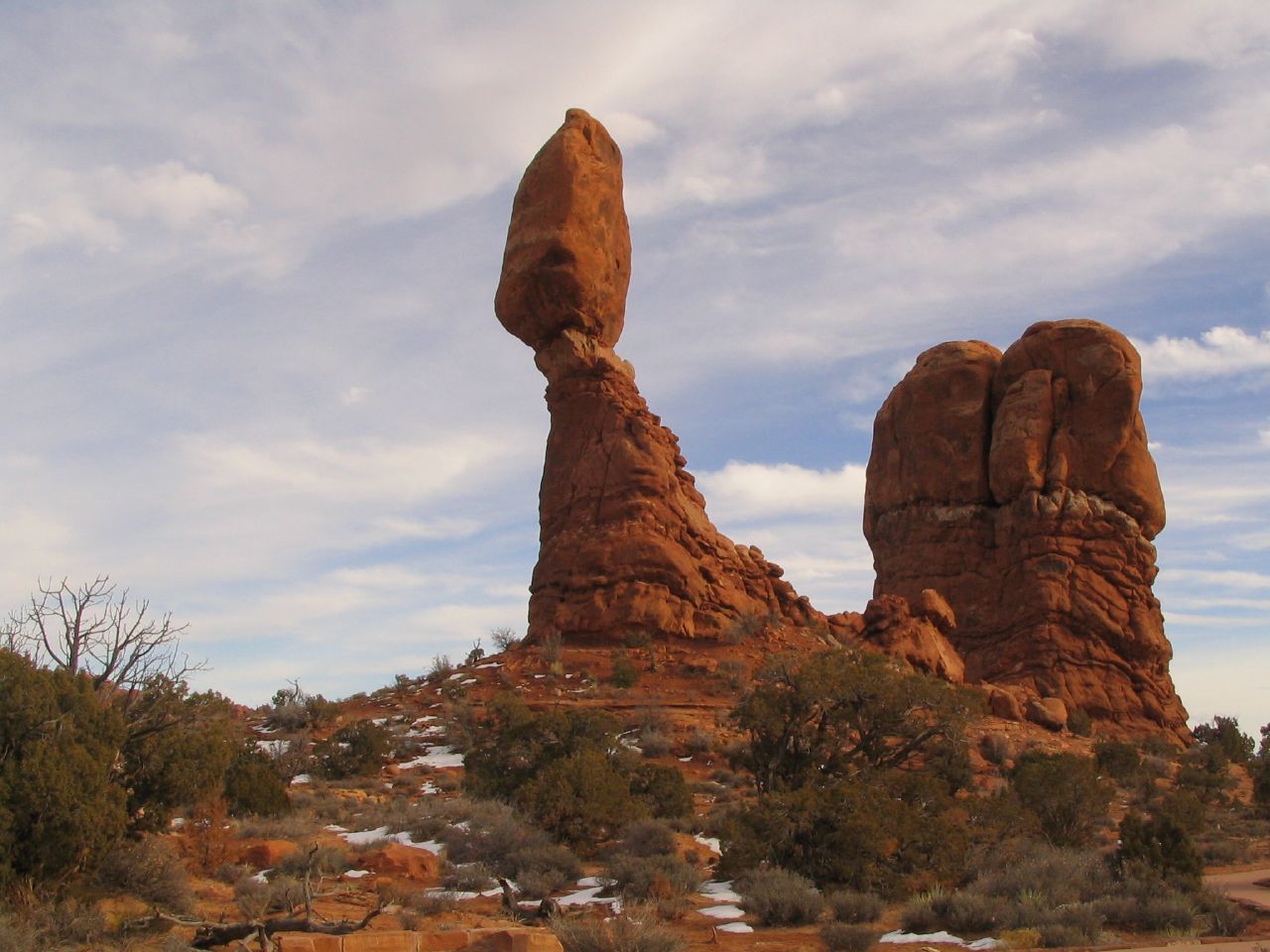
Utah’s Big 5, also called the Mighty 5, are Zion, Bryce Canyon, Capitol Reef, Arches and Canyonlands. Each one shows a different side of the region’s rock. Plan on a week to ten days if you want to hike in all five, and aim for spring or fall.
Which Parks Make Up the Big 5?
The group is Zion, Bryce Canyon, Capitol Reef, Arches and Canyonlands. Together they show off the geology of the region, from natural stone arches to towering hoodoos.
One way to order them is from the southwest corner of the state toward the northeast. That is a natural driving sequence.
- Zion: one of the most visited parks in the country, so plan ahead.
- Bryce Canyon: hundreds of hoodoos, plus horseback riding and stargazing.
- Capitol Reef: far fewer visitors than the others, so you can see a lot without the crowds.
- Arches: the highest concentration of stone arches in the world, including Delicate Arch and Landscape Arch.
- Canyonlands: vast canyons and towering mesas, good for hiking, biking and stargazing.
Utah has more national parks than any state except Alaska and California. Five of them sit in one compact region, which is why the route works so well.
When Should You Go?
Spring is the best season. Fall comes second. Utah is mostly desert, and the heat is real even in the parts called high desert.
Late spring offers a good balance. Snow is rarely a problem in late spring or early fall.
Summer is scorching. Winter can be harsh, though some people enjoy the look of snow on desert rock.
Watch the monsoon season, which runs from July to September. It can cause flash floods. Slot canyons are especially dangerous then. Sandy camping areas are also at risk.
Check road conditions before you drive. Some areas, even inside national parks, need a four-wheel-drive or high-clearance vehicle.
How Long Do You Need?
You can drive through all five parks in a week. You could also see the main viewpoints in a weekend. That pace leaves little time for hiking.
For the highlights of each park plus some longer trails, plan on seven to ten days. Climbers and cyclists will want more time, since their itineraries look very different.
Expect company. This is a popular route, and the towns are small but busy. Do not count on empty wilderness.
Budget for the entrance fees too. An annual pass covering every national park and monument for one year costs $80. Single-park fees run roughly $20 to $35 per car. If you visit three or more parks in a year, the pass pays for itself.
Hiking the Narrows in Zion
The Narrows is the tightest section of Zion Canyon. It is often described as the quintessential Zion experience. You walk in the river, not beside it.
There are two ways to do it.
- Bottom-up: start at the Temple of Sinawava and turn around at Big Springs. This route needs a permit.
- Top-down: start at Chamberlain’s Ranch and finish at the Temple of Sinawava. It covers 16 miles and can be done in one day or as a two-day backpack trip. It also needs a permit, and permits can be hard to get in summer.
Expect to wade, often waist-deep. You may swim a few short sections. The riverbed is covered in rounded rocks, so good footwear and a walking stick or trekking poles are essential.
The canyon can close in spring when snowmelt raises the water. Thunderstorms can cause flash floods in summer. Rain far upriver can send a flood through the canyon even when the sky above you is clear. Check conditions before you go, and stay out when rain is in the forecast.
Related reading
- Three Olympic National Parks in One: Hurricane Ridge, the Hoh Rainforest and the Wild Coast
- Glacier National Park: The Highline Trail and the Walk to Grinnell Glacier
Sources
- Utah Mighty 5 Maps – 5 Maps with Points of Interest (shakaguide.com, accessed 2026-11-04)
- Road Tripping Utah’s Big 5 National Parks? Here’s … (beyondthebucketlist.co, accessed 2026-11-04)
- The Narrows (Zion National Park) — Wikipédia (en.wikipedia.org, accessed 2026-11-04)
Photo: Balanced Rock, Arches National Park, Utah (68897860), by Ken Lund from Reno, Nevada, USA, CC BY-SA 2.0 (Wikimedia Commons)